Every real estate cycle in Bengaluru has had a defining moment — a point when infrastructure, industry, and intent converge to create a location worth watching closely. For the belt around Kempegowda International Bangalore Airport, that moment is unfolding. The KIADB Aerospace Park is entering its second phase, and if the numbers, the anchor tenants, and the government’s own commitment to the zone are anything to go by, this is shaping up to be one of the more genuinely compelling investment opportunities the city has seen in years.
What makes this worth paying attention to isn’t hype — it’s sequencing. Phase 1 already did the hard work of proving the model. Phase 2 is now scaling it, and scaling it fast.
From Proof of Concept to Acceleration: Understanding the Phase 1 to Phase 2 Shift
KIADB Phase 1 established that a master-planned industrial hub could thrive next to one of India’s busiest international airports. It brought in aerospace R&D, defence manufacturing, hardware production, and large-scale warehousing — anchored by names like Boeing, Shell, Collins Aerospace, and Dynamatic. That was the foundation.
Phase 2 is a different game altogether. It’s transitioning the zone from a strictly industrial ecosystem into something closer to an integrated mega-metropolis, built around clean-tech manufacturing and considerably higher employment density. In practice, that means more people, more high-income jobs, and more sustained housing demand within a genuinely short commute of the workplace.
Market Dimension | KIADB Phase 1 — The Foundation | KIADB Phase 2 — The Acceleration |
Primary Industry Driver | Aerospace R&D, hardware manufacturing, defence, warehousing | EV battery manufacturing, AI/ML tech hubs, high-density tech campuses |
Key Anchor Employers | Boeing, Shell, Collins Aerospace, Dynamatic | Foxconn, Exide Energy Gigafactory, advanced SEZs |
Investor Takeaway | Proved the model — steady industrial and rental demand | Scales the model — higher employment density, faster appreciation curve |
Read: Amazon’s Massive New Bengaluru Campus Inaugrated | When 2 became 3 (BHK) – The Dynamic Shift in Real Estate
The Corporate Footprint Driving Real Housing Demand
What separates this corridor from most upcoming micro-markets is that the demand isn’t speculative — it’s already anchored to real, large-scale employers on the ground.
- Foxconn Megafactory: A roughly 300-acre footprint employing tens of thousands of workers, making it one of the single largest local housing catalysts in the region.
- Exide Energy Gigafactory: A dedicated EV battery manufacturing plant coming up inside Phase 2, drawing specialised clean-tech and engineering talent that typically seeks quality, well-connected housing over long commutes.
- Boeing & Shell R&D Centres: Boeing’s largest campus outside the United States (43 acres) and the Shell Technology Centre (52 acres) bring in thousands of high-earning engineering professionals who lean toward mid-segment and luxury housing.
- A Sticky Global Ecosystem: Airbus, Collins Aerospace, Wipro Aerospace, and Safran HAL round out an employer base where white-collar professionals genuinely want to live within a ten-minute commute of work — not just tolerate the location.
This is the part that tends to get missed in broader city-wide real estate conversations: when an entire employment ecosystem clusters this tightly, housing demand around it stops being a bet on “future potential” and starts becoming a fairly direct read on present-day need.
What the Numbers Are Actually Suggesting
Rental yields in the KIADB Phase 2 catchment are currently projected around 5% — noticeably higher than Bengaluru’s traditional residential average of around 3.5%. That gap is being driven by a very specific, very stable tenant pool: software and hardware engineers, technicians, and foreign expats who prioritise proximity over almost everything else.
On the appreciation side, Phase 1 offers a useful reference point. Property values there saw double digit year-on-year jumps during major connectivity milestones. If Phase 2 follows even a comparable trajectory — and early indicators suggest it might move faster, given the higher employment density — properties bought early in the corridor could be positioned for a more meaningful double-digit annual appreciation as metro connectivity comes online.
Investment Metric | KIADB Phase 2 Corridor | Bengaluru Residential Average |
Projected Rental Yield | 5% | ~3.5% |
Demand Drivers | Engineers, technicians, clean-tech talent, foreign expats | Broad-based IT & services workforce |
Historical Appreciation (Phase 1 reference) | Double-digit YoY during connectivity milestones | City-wide average, single digits in most micro-markets |
Anchor Developer Presence | Tier-1 national developers acquiring large land parcels | Fragmented, mixed-tier developer landscape |
Why It Matters That Tier-1 Developers Are Already Here
Perhaps the clearest signal in any emerging corridor is who chooses to build there first. Tier-1 national developers have already acquired substantial land parcels in and around the Aerospace Park belt, which typically points to serious due diligence having already been done on the zone’s long-term fundamentals — infrastructure planning, government backing, and demand forecasting included.
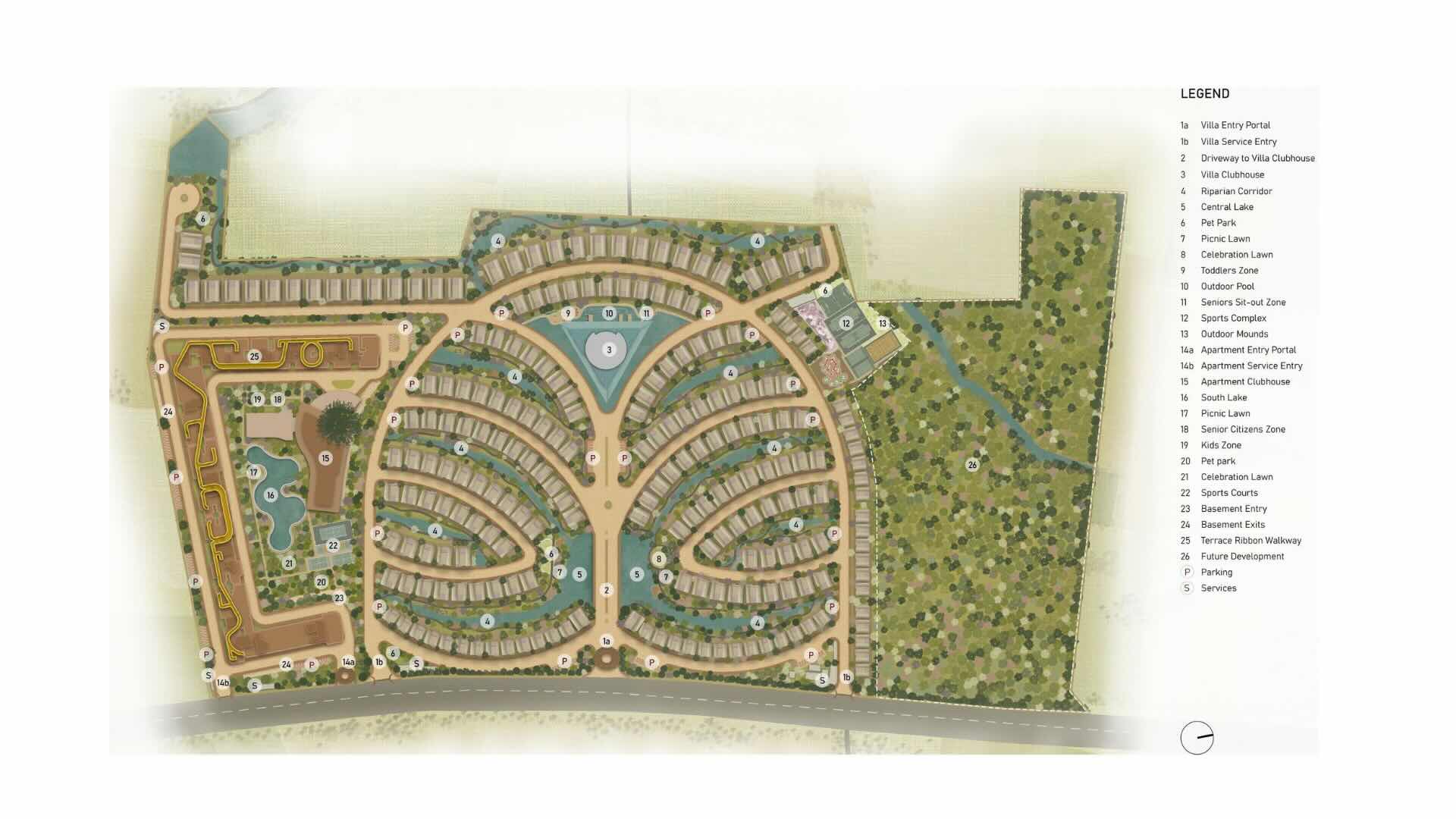
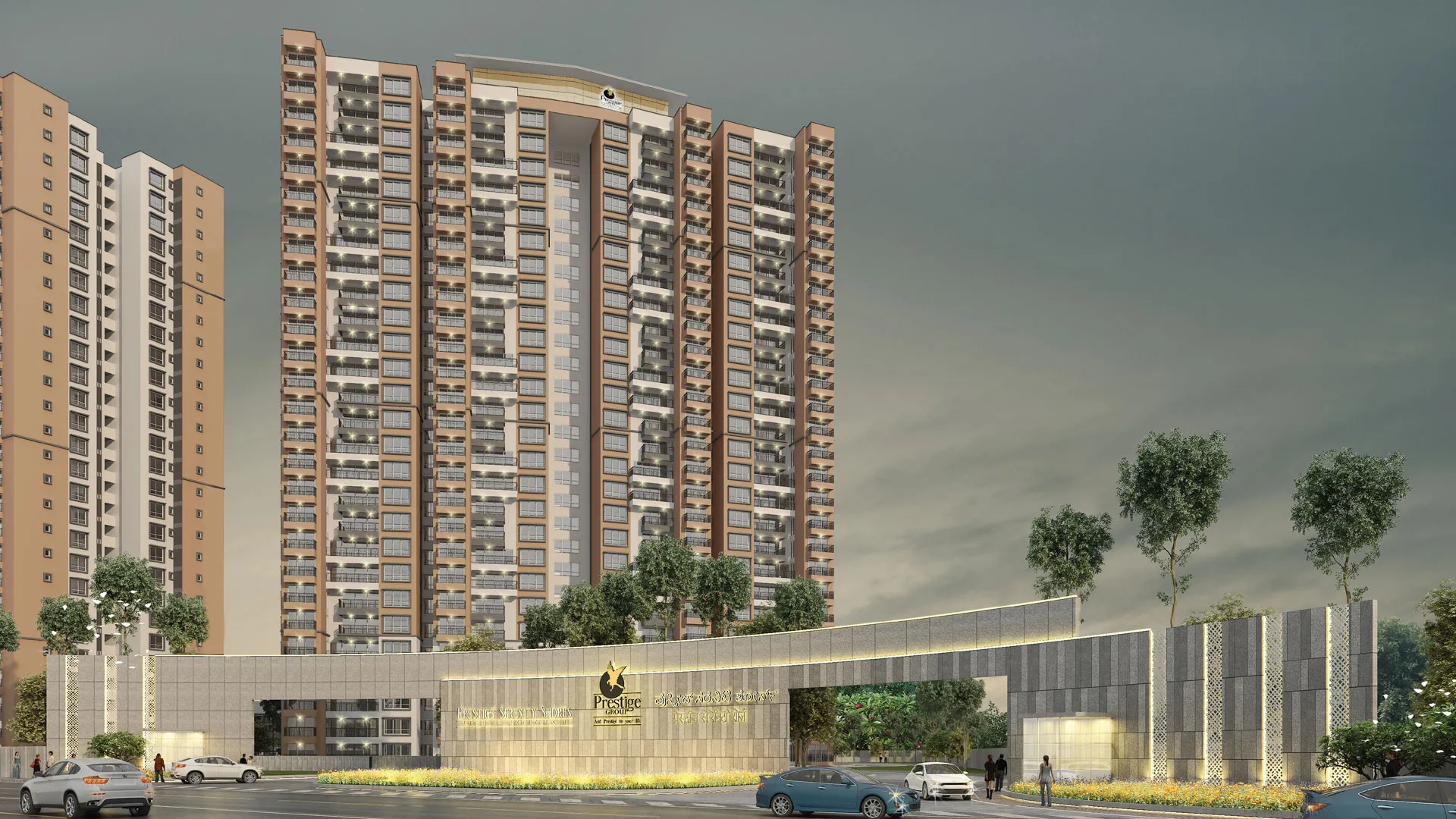
The most notable of these is Prestige Park Lane, widely regarded as the first major residential launch by a large, established builder directly in the KIADB Phase 2 catchment. For a corridor this early in its growth curve, that’s a meaningful marker — it signals genuine builder confidence in the location, not just opportunistic land-banking.
It’s no surprise, then, that search interest around terms like Prestige Park Lane KIADB, Prestige KIADB 2 apartments, and Prestige Devanahalli apartments has been climbing steadily. Prospective buyers evaluating the project are increasingly looking for the Prestige Devanahalli brochure and the Prestige Devanahalli master plan to understand unit configurations, phasing, and amenities, while early movers are also keeping an eye out for Prestige Park Lane reviews as more information becomes publicly available. That level of organic curiosity is usually a fairly reliable early indicator of genuine buyer intent, not manufactured hype.
The Government Backing Factor
It’s worth remembering that KIADB — the Karnataka Industrial Areas Development Board — is a state government body. Its direct involvement in planning, land allocation, and infrastructure sequencing for this zone isn’t incidental; it’s a structural advantage. Government-backed industrial corridors tend to benefit from prioritised road, power, water, and metro connectivity, precisely because the state has its own economic interest in the zone succeeding. For residential investors, that translates into a lower-than-usual risk of the surrounding infrastructure lagging behind housing supply — a gap that has hurt several other emerging Bengaluru micro-markets in the past.
Read: Devanahalli Tagged as Special Investment Region in Karnataka | Section 54F: The Strategist’s Shield for Reinvesting Equity
Who Should Be Paying Attention Right Now
This corridor is realistically best suited to a few kinds of buyers: those looking for long-term rental income backed by a stable, high-earning tenant base; those comfortable entering a growth corridor early in exchange for a stronger appreciation curve; and end-users who work within the aerospace, EV, or tech ecosystem and would genuinely value a short commute over a longer one elsewhere in the city.
As more upcoming projects in KIADB 2 and upcoming projects in Aerospace Park 2 get announced over the next few quarters, the broader search for apartments in KIADB 2 is only likely to intensify. Corridors like this tend to see a fairly predictable pattern — early entrants benefit from lower entry prices, while later buyers pay a premium once connectivity and construction visibly mature. Right now, this belt is still closer to the early end of that curve than the late one.
The Bottom Line
None of this is to suggest that every property in the KIADB Phase 2 belt is automatically a winning bet — location within the corridor, developer track record, and project specifics still matter, as they should with any real estate decision. But the underlying fundamentals here are unusually well-aligned: a proven precedent in Phase 1, a genuinely large and diversified employer base moving in, active government backing, and a Tier-1 developer already committing to the ground with a flagship launch. That combination is rare, and it’s exactly the kind of setup that tends to reward buyers who take a serious, informed look early rather than waiting for the corridor to become obvious to everyone else.
For anyone evaluating where to place long-term real estate capital in Bengaluru today, KIADB Phase 2 deserves to be on that shortlist — not because it’s being talked about, but because the fundamentals genuinely hold up to scrutiny.